Cheap Travel in the US: The Complete Guide to Traveling on a Budget
Everything you need to travel cheaply in the US and abroad: affordable destinations, cheap flights, budget accommodation, free things to do, and how to work or house-sit your way to longer trips.

Cheap travel comes down to four costs: getting there, sleeping, eating and doing things. Most travelers try to save a little on all four. The people who travel most for the least usually save a lot on one or two, by choosing a cheaper destination, staying somewhere unconventional or traveling at a time when prices drop.
This guide covers each of those costs, then the longer-term options: working remotely from somewhere cheaper, house-sitting and moving to a lower-cost city. Each section links to a detailed guide.
Contents
- Choose a cheaper destination
- Spend less getting there
- Spend less on accommodation
- Spend less on things to do
- Budget habits that add up
- Travel longer for less
- Living somewhere cheaper
Choose a cheaper destination
The destination decides most of the budget before you've booked anything. A week in Manhattan and a week in New Mexico can differ by thousands of dollars for similar experiences.
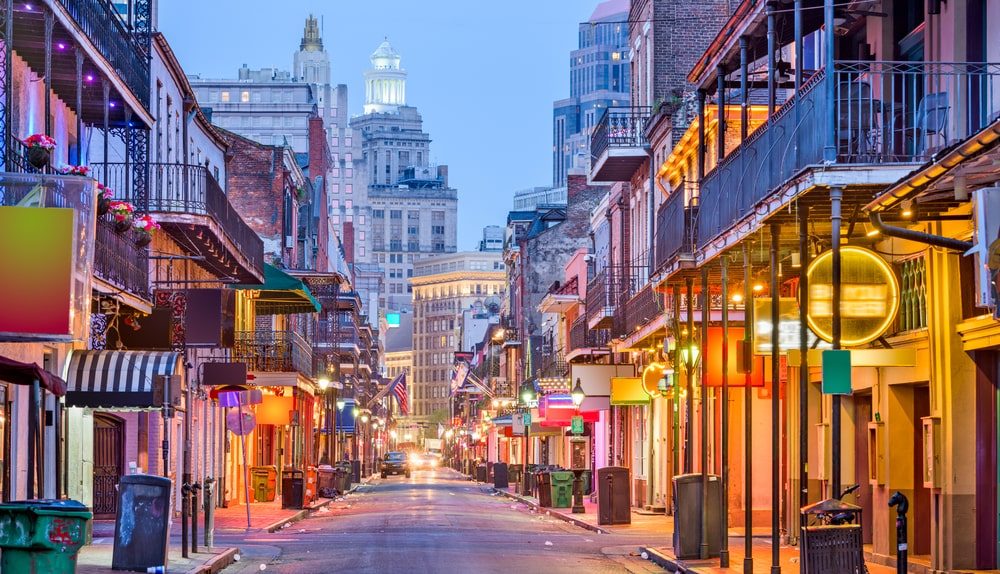
In the US, the cheapest places to visit tend to be mid-sized cities away from the coasts, small towns near national parks and beach towns outside the most famous resorts. Our guide to the most affordable places to travel in the US covers 15 destinations, and we have separate guides to the cheapest beach towns and the cheapest ski towns.
Abroad, your dollars go much further in some countries than others. Mexico, Portugal, much of Central and Eastern Europe and Southeast Asia all offer low daily costs. See the best budget travel destinations for where money goes furthest, and the cheapest international trips from the US for places where the flight is cheap too.
Timing matters as much as place. Shoulder season, the weeks just before and after peak season, often brings prices 20% to 40% lower with similar weather. Beach towns are cheapest in late spring and early fall; ski towns are cheapest in early December and spring; cities are often cheapest in winter, outside the holidays.
One email a week. The gear worth buying and the fares worth booking.
No affiliate padding. If we wouldn't recommend it to a friend, it doesn't go in.
Spend less getting there
Flights are the biggest single cost for most trips, and the easiest to overpay for.
- Be flexible on airports. Many metro areas have a second airport with lower fares, such as Chicago Midway, Fort Lauderdale or the smaller airports around Los Angeles and New York. See the cheapest US airports to fly into.
- Be flexible on dates. Use a fare calendar to compare prices across a week or month. Midweek flights are often cheaper.
- Count the full price. Low-cost carriers charge separately for bags, seats and sometimes carry-ons. Add those before comparing fares.
- Get fare alerts. Going emails you when fares from your home airport drop well below normal. It has a free plan and paid plans with more deals.
- Consider driving or the train. For a group of three or four, driving is often cheaper than flying for trips under six or seven hours.
Spend less on accommodation
Accommodation is where budget travelers have the most options.
- Budget hotel chains give you a predictable room at a predictable price, and many include breakfast. See the best cheap hotel chains.
- Hostels aren't just for students. Many US hostels have private rooms for less than a hotel. See whether US hostels are worth it.
- Vacation rentals can be cheaper for groups and longer stays, but cleaning and service fees can make them more expensive than a hotel for short trips. See hotel vs Airbnb: the true cost.
- House-sitting can eliminate accommodation costs entirely in exchange for looking after a home and pets. See house-sitting as a way to travel cheap.
Spend less on things to do
Many of the best things to do in the US are free.
- Museums. Washington, DC's Smithsonian museums are free, and many other cities have free museums or free days. See US cities with free museums.
- Parks and outdoors. City parks, beaches and hiking trails cost nothing. Several national parks have no entrance fee at all. See the cheapest national parks to visit.
- Free city activities. Walking tours, ferries, festivals, concerts and markets. See free things to do in major US cities.
Budget habits that add up
- Eat your main meal at lunch, when many restaurants have cheaper menus.
- Stay somewhere with a kitchen or free breakfast.
- Use public transit instead of rideshare.
- Set a daily budget and track spending in an app.
- Use a credit card with no foreign transaction fees abroad.
For more, see our budget travel tips that actually save money and travel hacks that actually work.
Travel longer for less
The cost per day falls the longer you stay. Weekly and monthly rental discounts, fewer flights and cooking at home all reduce costs.
- Workations. If you can work remotely, spending a few weeks working from another city lets you travel without using vacation days. See the best cities for a workation.
- Travel nursing and other travel jobs. Some careers come with paid housing or housing stipends. See our travel nurse housing guide and best places to work as a travel nurse.
- House-sitting. Longer house-sits can provide free accommodation for weeks or months.
Living somewhere cheaper
For remote workers, moving to a lower-cost city can be the biggest saving of all. Some cities and states offer cash incentives to remote workers who relocate. See the best US cities for remote workers, the cheapest US cities to live and the most expensive places to live in America.
Frequently asked questions
What's the cheapest way to travel in the US? Choose a lower-cost destination, travel in shoulder season, drive or fly into a secondary airport, stay in a budget hotel or hostel and focus on free activities like parks and museums.
How much should I budget per day for travel in the US? It varies widely by destination. Big coastal cities can easily cost several hundred dollars a day; smaller cities and towns can cost much less. Set a daily budget for accommodation, food, transport and activities before you go.
When is the cheapest time to travel? Shoulder season, the weeks just before and after peak season, usually offers the best combination of price and weather.
Is it cheaper to travel abroad than in the US? Sometimes. In countries like Mexico, Portugal and much of Southeast Asia, daily costs are much lower than in the US, which can outweigh the cost of the flight on longer trips.