Hard-Shell vs Soft-Side Luggage
The pros and cons of hard-shell and soft-side suitcases for durability, weight, packing, pockets and protecting fragile items.

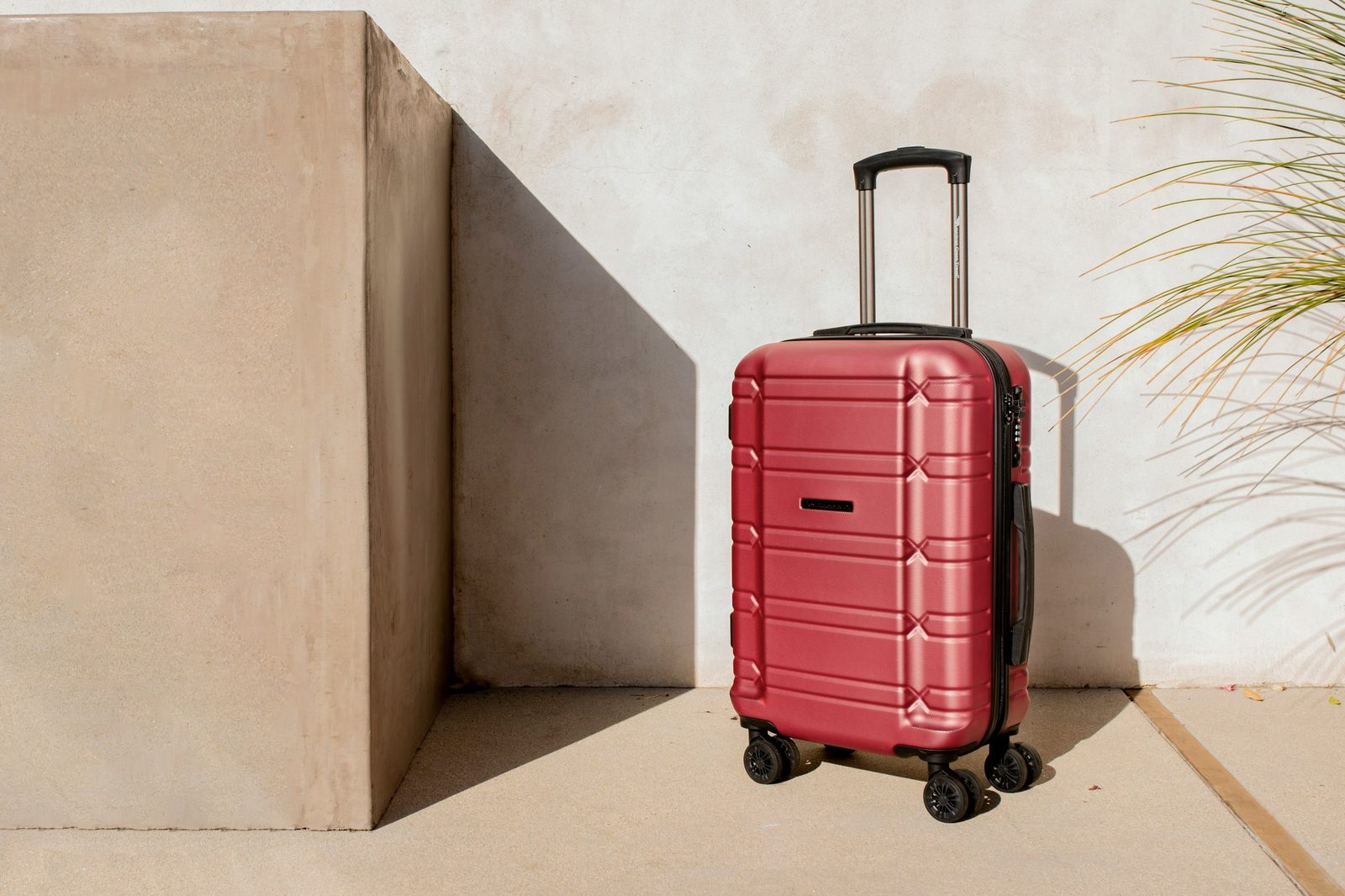
| Hard-shell | Soft-side | |
|---|---|---|
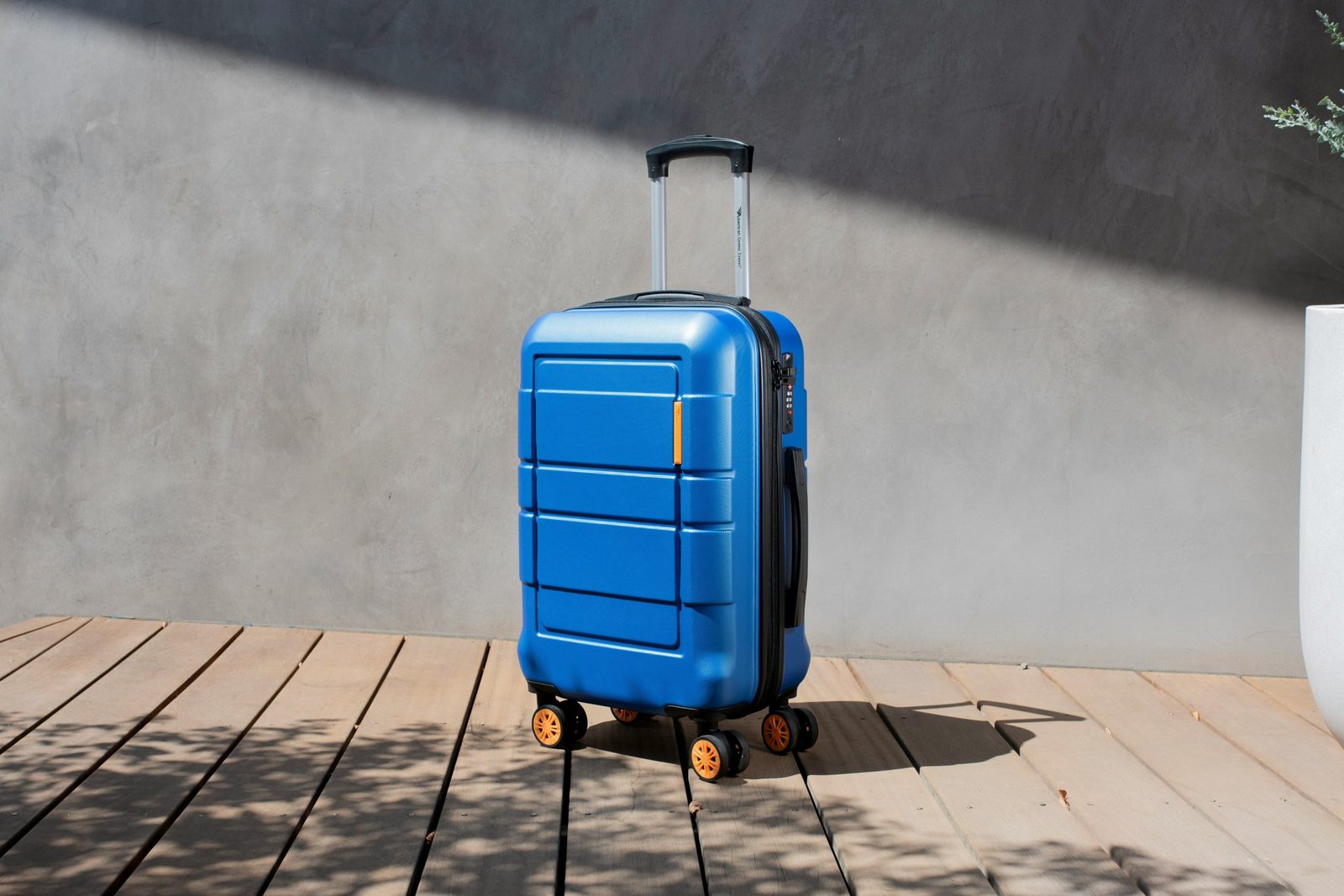
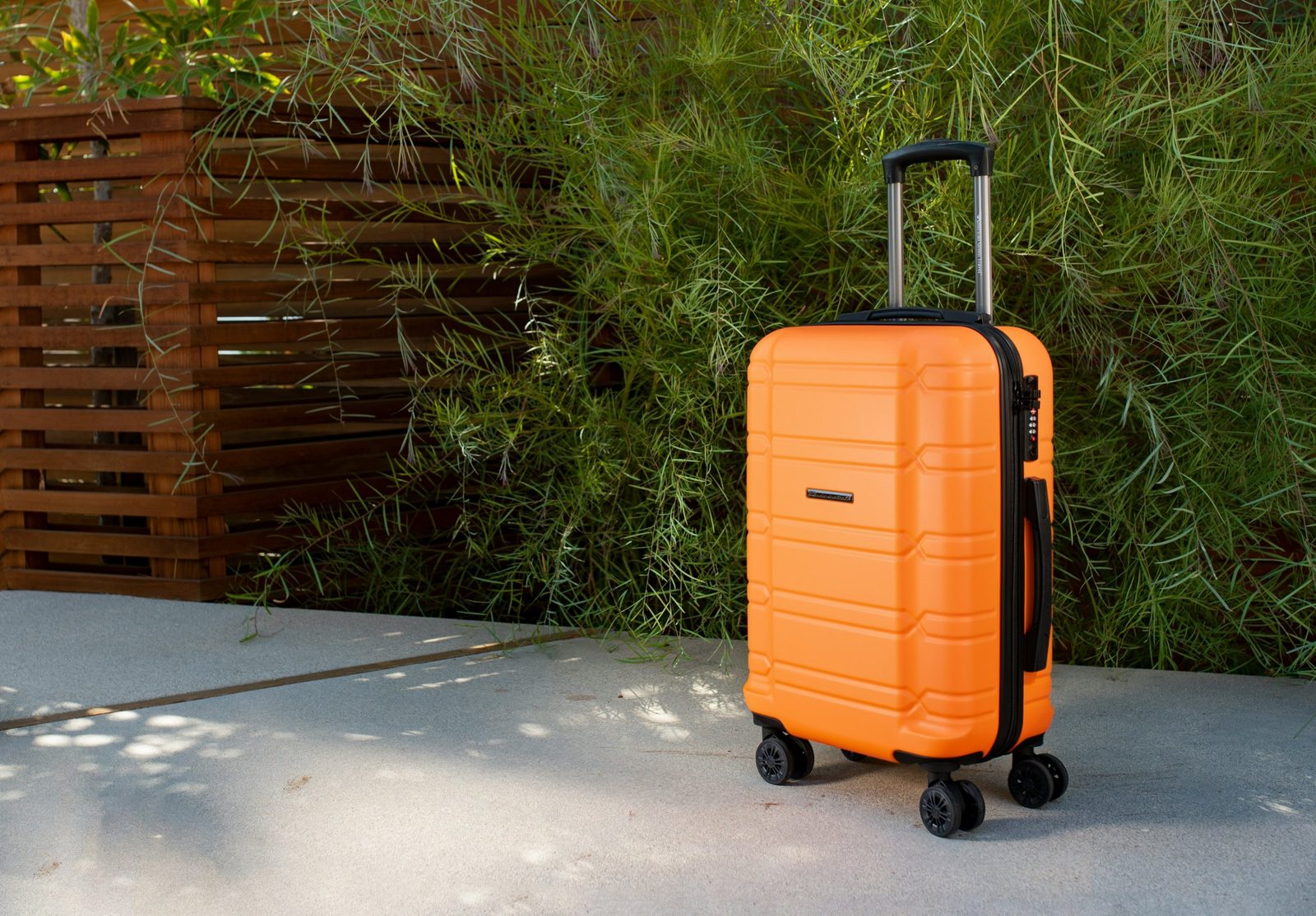
| Protection | Better for fragile items | Less rigid |
| Water resistance | Better | Varies; often treated nylon |
| Flexibility | Doesn't squish into tight spaces | Squeezes into bins and trunks |
| Pockets | Few or none outside | Exterior pockets for quick access |
| Expansion | Limited | Often has an expansion zipper |
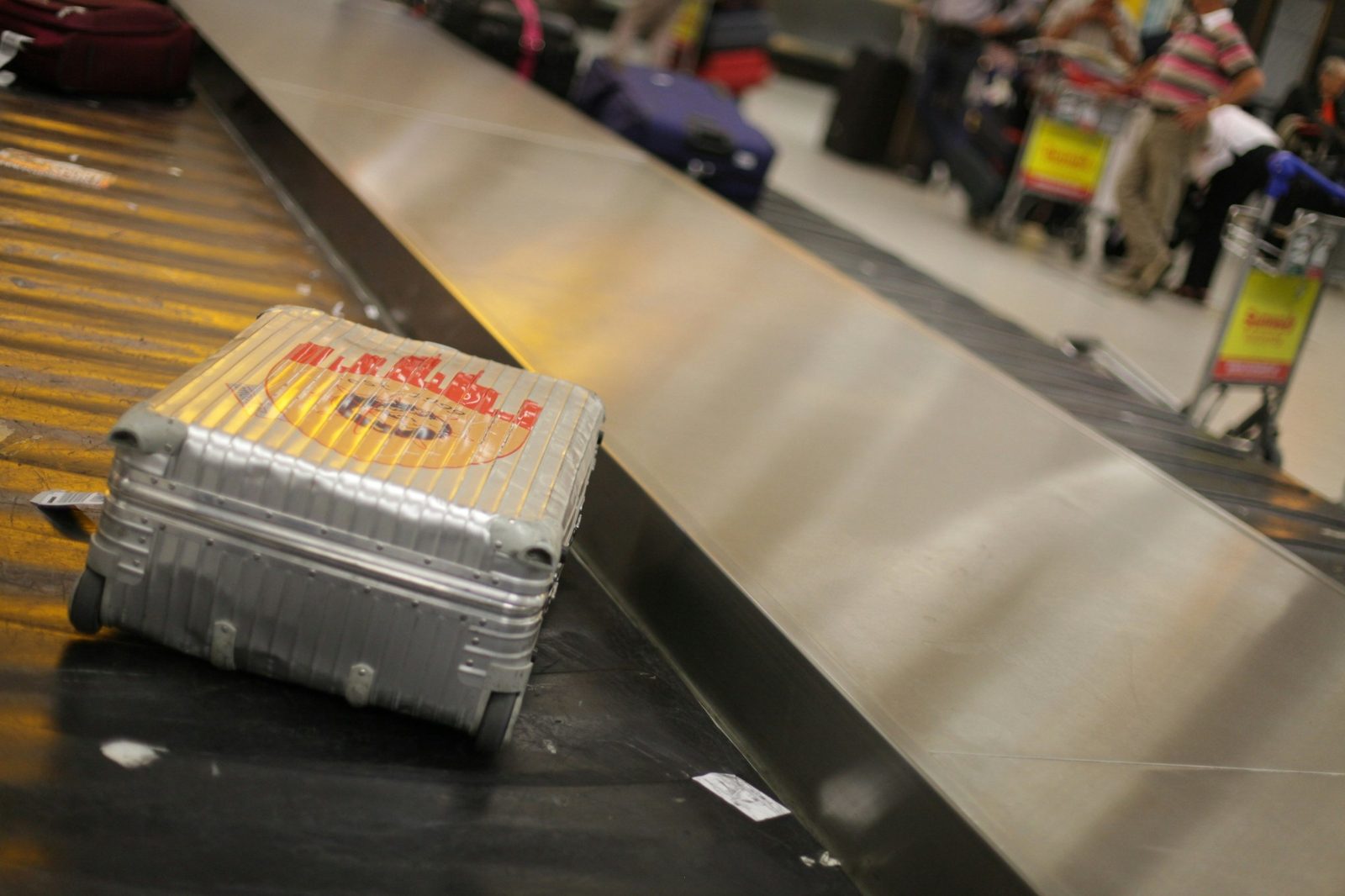
| Scuffs and cracks | Scuffs show; can crack under extreme impact | Can tear or wear at corners |
| Packing | Clamshell, split in half | Single main compartment |
Choose hard-shell if
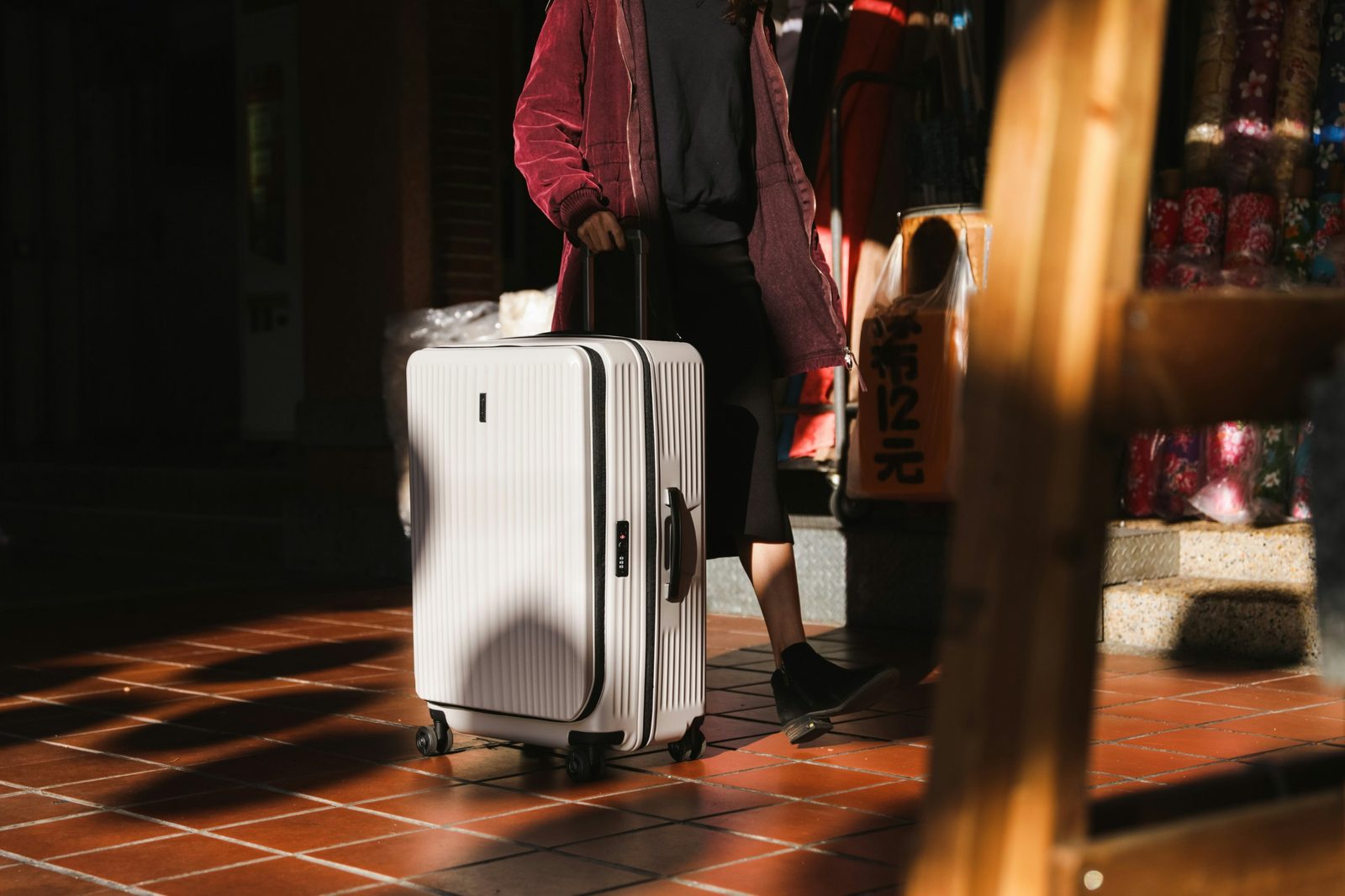
You check bags often, carry fragile items, travel in wet weather or prefer a sleek look. Polycarbonate is the best hard-shell material; ABS is cheaper but more brittle.
Choose soft-side if
You want exterior pockets, need to squeeze the last bit into an overhead bin, or travel carry-on only. Ballistic nylon is tough and abrasion-resistant.
See the best carry-on luggage and the best checked luggage.
Part of our luggage guide.
What's changed: First published October 19, 2026.
One email a week. The gear worth buying and the fares worth booking.
No affiliate padding. If we wouldn't recommend it to a friend, it doesn't go in.