Turbulence Explained
What causes turbulence, how dangerous it really is, how pilots handle it and why keeping your seatbelt fastened matters.

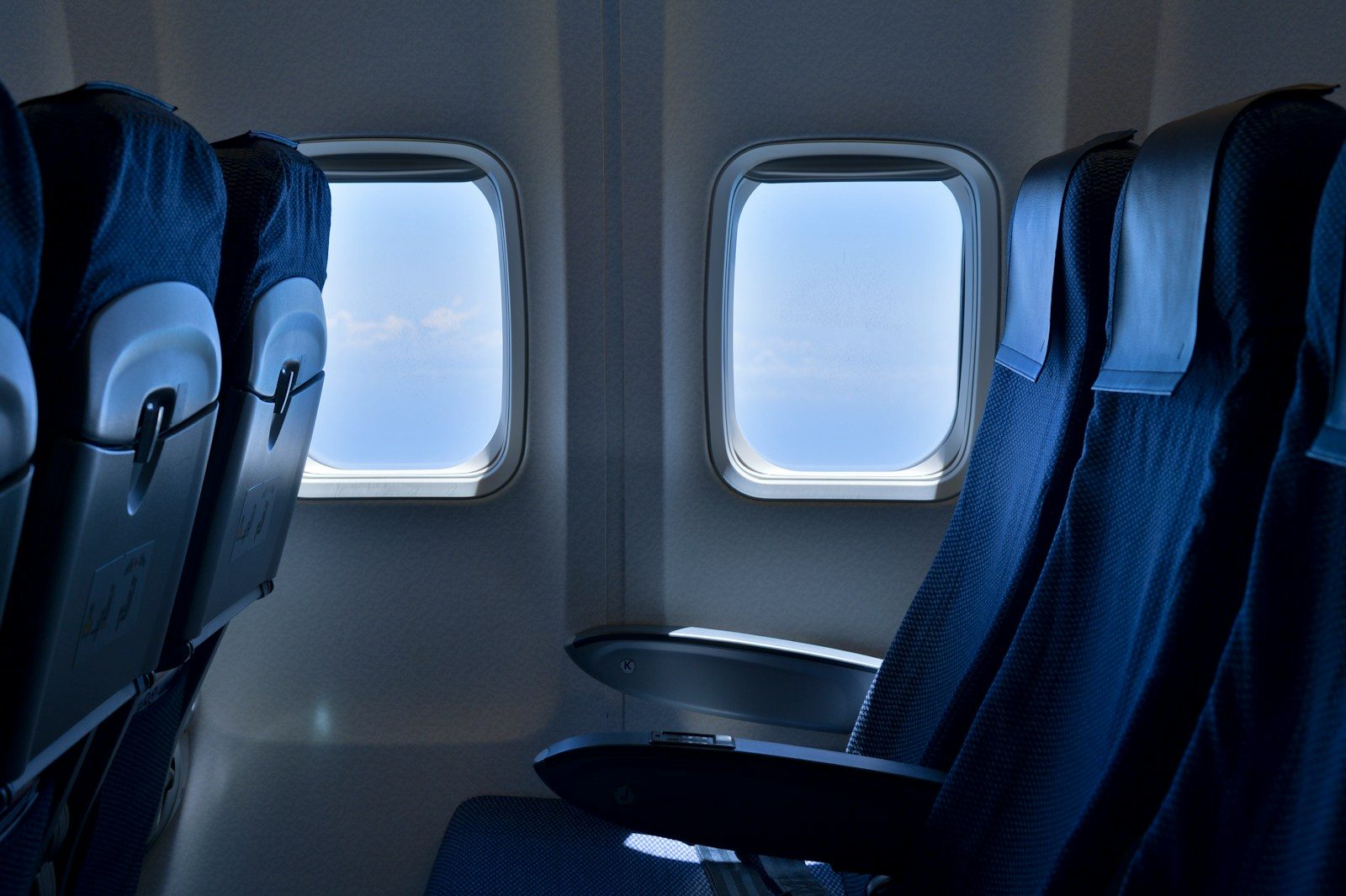
Turbulence is uneven air, like waves on a boat. It's caused by weather, jet streams, mountains and air flowing over other aircraft.
Is it dangerous?
Commercial planes are built to handle far more force than turbulence produces. Serious injuries are rare and almost always happen to people not wearing seatbelts, or crew moving around the cabin.
How pilots manage it
Pilots use weather radar, reports from other planes and forecasts to avoid rough air or change altitude. They turn on the seatbelt sign when they expect bumps.
One email a week. The gear worth buying and the fares worth booking.
No affiliate padding. If we wouldn't recommend it to a friend, it doesn't go in.
What you can do
- Keep your seatbelt fastened whenever you're seated.
- Sit over the wings for a smoother ride.
- Choose morning flights in summer, before afternoon storms build.
See fear of flying: what helps.
Part of our in-flight comfort guide.
What's changed: First published October 19, 2026.