Wheelchair Users at US Airports: Your Rights and What to Expect
A step-by-step guide for wheelchair users flying in the US: your rights under the Air Carrier Access Act, booking, TSA screening, boarding, protecting your wheelchair, and what to do if something goes wrong.

Flying as a wheelchair user involves more planning than most travelers need, but US law gives you specific rights at every stage of the journey. Knowing those rights, and what to do at each step, makes flying more predictable.
This guide walks through a trip from booking to arrival. Regulations are updated periodically; check the US Department of Transportation's (DOT) current guidance and your airline's accessibility page before you fly.
Your rights under the Air Carrier Access Act
The Air Carrier Access Act (ACAA) prohibits airlines from discriminating against passengers with disabilities on flights to, from and within the US. Under the ACAA and DOT rules, airlines must:
- Provide free assistance through the airport, including wheelchairs and staff to help you from check-in to the gate, onto the plane, between connecting flights and to baggage claim.
- Carry your wheelchair or mobility device for free. It doesn't count toward your baggage allowance.
- Let you keep your wheelchair until the gate, where it's stowed and returned at the aircraft door on arrival if you request it.
- Provide an aisle chair to help you board and leave the plane.
- Provide space for one manual folding wheelchair in the cabin on aircraft with 100 or more seats built after a certain date, if it fits.
- Not charge for accessibility services.
- Have a Complaints Resolution Official (CRO) available at the airport or by phone to resolve disability-related problems.
Before you book
Research your aircraft
Smaller regional aircraft can be harder to board and may have smaller cargo holds that can't fit some power wheelchairs. Check the aircraft type for each flight, and ask the airline whether your wheelchair will fit in the hold.
Choose direct flights when you can
Each connection means another transfer and another chance for your wheelchair to be damaged or delayed. If you need to connect, allow at least 90 minutes to two hours.
Choose the right seat
Some aisle seats have movable armrests, which make transferring easier. Ask the airline which seats have them. Bulkhead seats offer more legroom but usually have fixed armrests.
One email a week. The gear worth buying and the fares worth booking.
No affiliate padding. If we wouldn't recommend it to a friend, it doesn't go in.
When you book
Tell the airline about your needs when you book, or at least 48 hours before the flight. Include:
- Your wheelchair type: manual, power or scooter.
- Its dimensions and weight.
- Battery type, for power chairs: lithium-ion, gel or wet cell. Lithium-ion batteries have specific rules.
- Whether you need an aisle chair.
- Whether you can walk short distances, or need full assistance.
- Whether you'll stay in your wheelchair until the gate.
Get written confirmation of your requests, and call the airline's accessibility line a few days before the flight to confirm.
Prepare your wheelchair
- Photograph your wheelchair from every angle before the trip, so you can document any damage.
- Attach instructions to the wheelchair on how to fold, move and disconnect the battery, including instructions in pictures.
- Remove detachable parts, such as cushions, footrests and joysticks, and carry them on board.
- Label everything with your name and contact details.
- Bring tools for removing parts if needed.
- Carry the manual or a quick-reference guide.
At the airport
Check-in
Check in at the counter, not a kiosk, and confirm your requests. Ask for a gate-check tag for your wheelchair, so it's returned at the aircraft door rather than at baggage claim.
TSA screening
TSA screens wheelchair users without requiring them to leave their wheelchair. You can request a private screening, and you can ask the officer to explain each step.
TSA Cares is a helpline for travelers with disabilities. Call at least 72 hours before the flight to ask questions or request a passenger support specialist to help at the checkpoint.
You can also print a TSA notification card to discreetly let officers know about your disability.
At the gate
Tell gate staff you're there, and confirm:
- You need to pre-board.
- You need an aisle chair.
- Your wheelchair should be gate-checked and returned at the aircraft door.
Wheelchair users are usually boarded first and leave last.
On the plane
- Transfer to the aisle chair at the aircraft door. Staff should be trained to help with transfers, but tell them exactly how you prefer to be transferred.
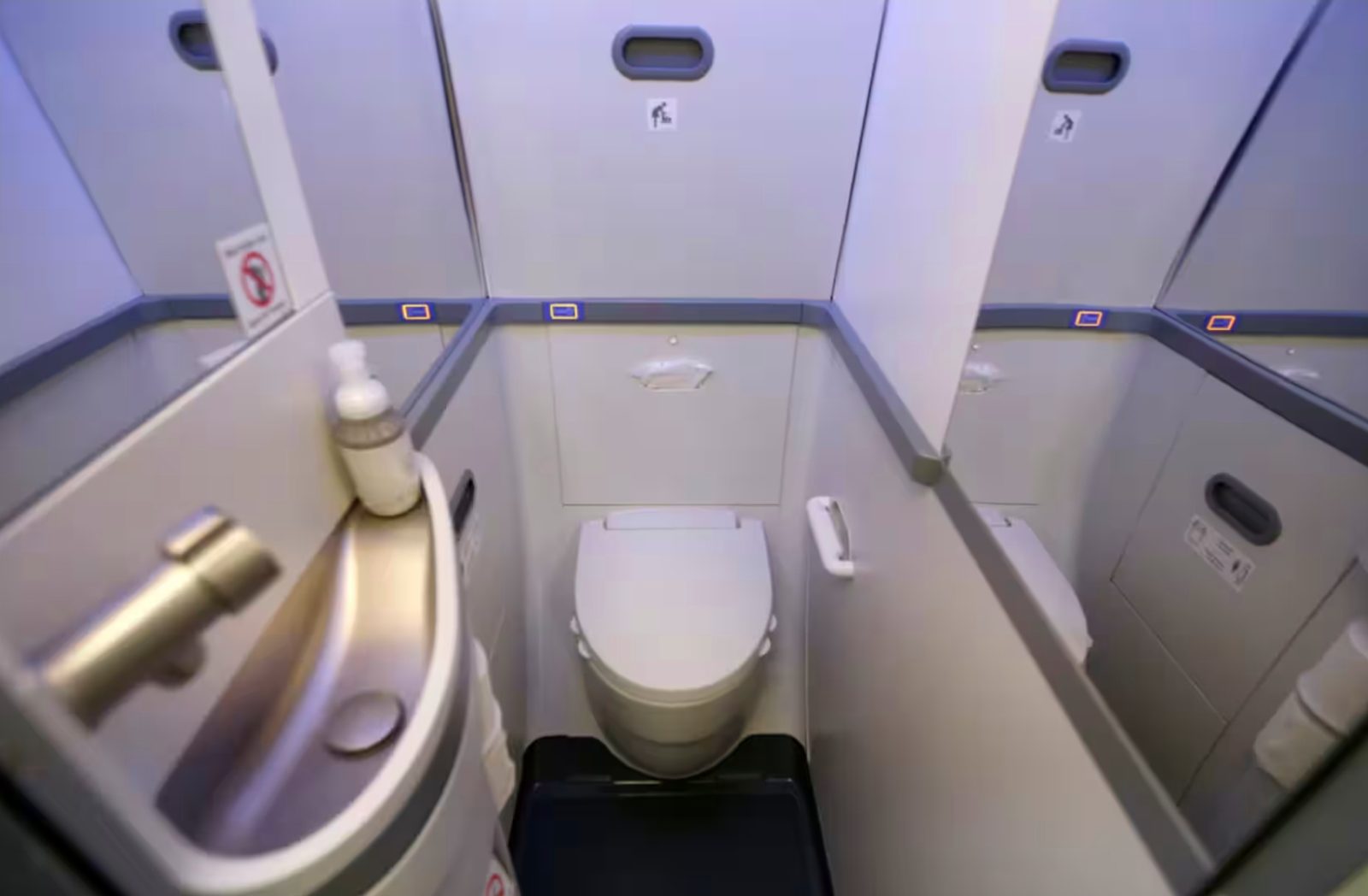
- On-board wheelchairs are available on larger aircraft for getting to the bathroom.
- Bring cushions or positioning aids to make the seat more comfortable.
Protecting your wheelchair
Damaged wheelchairs are one of the most serious problems wheelchair users face when flying.
- Ask to speak to the ground crew who'll load your chair, to explain how to handle it.
- Attach clear handling instructions.
- Remove fragile parts.
- Check your wheelchair immediately on arrival, before leaving the airport.
DOT finalized rules in 2024 that strengthened protections, including requirements for airlines to promptly repair or replace damaged wheelchairs and to provide suitable loaner wheelchairs. Check the DOT's current rules for details.
If something goes wrong
- Ask for the Complaints Resolution Official (CRO). Every airline must have one available at the airport or by phone.
- Report damage immediately, before leaving the airport, and get a written report.
- Photograph any damage.
- Keep all documents, including your booking, requests and receipts.
- File a complaint with the airline in writing.
- File a complaint with the DOT if the airline doesn't resolve the problem.
Using airport wheelchair assistance (if you don't bring your own)
Many travelers who can walk short distances use the airport's free wheelchair service:
- Request it when you book, or at least 48 hours ahead, in "special assistance" on the airline's website.
- Check in at the ticket counter, even without bags, and confirm the request.
- An attendant takes you through security and to the gate, often through a faster lane.
- Remind the flight attendant before landing that you need a wheelchair on arrival.
- Connections: Assistance should meet you at the plane and take you to your next gate.
Ask about electric carts in large terminals if you can sit but not walk far.
Should you tip wheelchair attendants?
In US airports, many travelers tip, commonly $10 to $20 depending on distance and help with bags, since attendants are often low-paid contractors. It's not required. Tipping is less common in European airports, where assistance is provided by the airport.
Bringing your own wheelchair on the plane
Yes. Your wheelchair flies free and doesn't count toward your bag allowance. Gate-check it so you can use it until the aircraft door. Remove cushions, footplates, side guards and other detachable parts and bring them into the cabin, and attach a laminated card with instructions for folding and battery handling. Airlines must ask about battery type for power chairs, so bring the manufacturer's specifications.
Checklist
When booking - Check aircraft type and cargo hold size. - Choose direct flights or long connections. - Request assistance and provide wheelchair details. - Request a seat with a movable armrest.
Before the flight - Confirm requests with the airline. - Call TSA Cares. - Photograph your wheelchair. - Attach handling instructions.
At the airport - Check in at the counter. - Request a gate-check tag. - Confirm pre-boarding and aisle chair at the gate.
On arrival - Check your wheelchair immediately. - Report damage before leaving the airport.
For trips with older family members, see our guide to traveling with elderly parents. For more, see solo, couples and group travel.
Traveling through European airports
In the EU, airports must provide free assistance to passengers with reduced mobility under EU rules. Request it at least 48 hours ahead through your airline. Larger airports like Amsterdam, London Heathrow and Frankfurt have dedicated assistance areas. Allow extra time for long walks and bus transfers to aircraft.
Frequently asked questions
How do I get wheelchair assistance at the airport? Request it when booking or at least 48 hours ahead, then confirm at the check-in counter.
Do you tip airport wheelchair assistants in the US? Many travelers tip $10 to $20. It's appreciated but not required.
Can I bring my own wheelchair on an airplane? Yes, free of charge, and you can usually use it to the aircraft door before it's gate-checked.
Is airport wheelchair assistance free? Yes. US airlines must provide free assistance through the airport.
Does my wheelchair count as baggage? No. Airlines carry wheelchairs and mobility devices for free, and they don't count toward your baggage allowance.
Can I bring my wheelchair on the plane? Many aircraft have space for one manual folding wheelchair in the cabin. Power wheelchairs and larger devices are stowed in the hold.
What should I do if my wheelchair is damaged? Report the damage before leaving the airport, ask for the Complaints Resolution Official, photograph the damage and file a written complaint with the airline. If the airline doesn't resolve it, file a complaint with the DOT.
Part of our solo, couples and group travel guide.
What's changed: Updated October 19, 2026, based on what travelers search for.