
Can You Bring Your Own Food Through TSA?
Yes, solid food clears TSA. Spreads, dips and drinks follow the 3.4 oz rule. A food-by-food guide, plus ice packs, baby food and customs rules.

Key points
- Solid food goes through TSA in carry-on and checked bags with no limit.
- Anything you can spread, scoop or pour must be 3.4 ounces or less in a carry-on, or go in a checked bag.
- Keep ice packs frozen solid at screening, and declare baby food at the start.
- Eat fresh fruit before you land from an international trip.
Yes, you can. TSA allows solid food in both carry-on and checked bags, so sandwiches, granola bars, fruit, cold pizza, and a whole roast chicken can all come through the checkpoint with you. Problems start when food is spreadable, pourable, or scoopable. TSA treats peanut butter, hummus, yogurt, and salsa as liquids, and in a carry-on those fall under the same 3.4-ounce limit as your shampoo.
Packing your own food is one of the easiest ways to save money when you fly. An airport sandwich and a bottle of water can easily cost $20, and most domestic economy flights now give you a cookie at best. This guide covers what clears security, what gets thrown out, and how to pack so your bag isn't pulled for a second look.
The one rule that decides almost everything: solid or liquid?
TSA's test is simple. If it holds its shape, it's a solid and has no quantity limit. If you can spill it, spread it, spray it, pump it, or pour it, it's a liquid or gel, and the 3-1-1 rule applies in your carry-on.
The 3-1-1 rule means:
- 3.4 ounces (100 milliliters) or less per container
- 1 quart-size, clear, resealable bag for all your containers
- 1 bag per passenger
The limit applies to the container's size, not how much is inside. A half-empty 8-ounce jar of peanut butter will be taken. A full 3-ounce cup will not.
Is the 3-1-1 rule changing? Not yet. TSA ended routine shoe removal on July 8, 2025, and newer CT scanners let some lanes leave liquids in your bag for screening. The 3.4-ounce limit is still the national rule, though, and coverage reports say it stays until CT scanners are at every airport. Several European airports have dropped their 100 ml limit, but US checkpoints haven't followed. Pack to the 3-1-1 rule every time.
Food-by-food: what clears security in a carry-on
| Food | Carry-on | Checked bag | Notes |
|---|---|---|---|
| Sandwiches, wraps, burgers | Yes, any amount | Yes | Spreads already on the bread are fine |
| Cold pizza, cooked meat, fried chicken | Yes | Yes | Wrap it so it doesn't leak grease onto other items |
| Fresh fruit and vegetables | Yes (domestic) | Yes | Not when leaving Hawaii or Puerto Rico; see below |
| Chips, crackers, pretzels, cookies | Yes | Yes | No limit |
| Nuts, trail mix, dried fruit | Yes | Yes | Be considerate of nut allergies on board |
| Granola and protein bars | Yes | Yes | No limit |
| Bread, bagels, muffins, cakes, pies | Yes | Yes | Pies and cakes may get extra screening |
| Hard cheese (cheddar, parmesan) | Yes, any amount | Yes | Soft and spreadable cheeses count as liquids |
| Brie, cream cheese, cheese spread | 3.4 oz max | Yes | Single-serve cream cheese cups pass |
| Peanut butter, Nutella, almond butter | 3.4 oz max | Yes | Single-serve packets and cups are the easy fix |
| Hummus, guacamole, salsa, dips | 3.4 oz max | Yes | Single-serve cups work well |
| Yogurt, pudding, applesauce | 3.4 oz max | Yes | Kids' pouches are exempt as baby food; see below |
| Soup, stew, gravy, sauces | 3.4 oz max | Yes | Pack soup dry and add hot water after security |
| Salad dressing, oil, vinegar | 3.4 oz max | Yes | Keep it in a separate small container |
| Honey, jam, maple syrup | 3.4 oz max | Yes | A favorite holiday souvenir that gets tossed |
| Solid chocolate, candy | Yes | Yes | Liquid chocolate counts as a liquid |
| Canned food | Allowed, but expect a bag check | Yes | TSA suggests checking it; liquid inside follows 3-1-1 |
| Frozen food | Yes, if frozen solid | Yes | If it's thawed and slushy, liquid rules apply |
| Coffee beans, ground coffee, tea leaves | Yes | Yes | Powders over 12 oz may be screened separately |
| Protein powder, baby formula powder | Yes | Yes | Powders over 12 oz may be screened separately |
| Water, juice, soda, coffee | 3.4 oz max | Yes | Bring an empty bottle and fill it after security |
| Alcohol (up to 70% ABV) | 3.4 oz minis | Up to 5 L per person if 24–70% ABV, in unopened retail packaging | Over 70% ABV is banned in both |
| Live lobster | Check with your airline | Yes | TSA allows it in a clear, spill-proof container |
TSA officers have the final say at the checkpoint. If something looks unclear on the X-ray, it may be tossed even if it should be allowed. If you aren't sure about a specific food, message AskTSA on X or Facebook Messenger before you fly.
One email a week. The gear worth buying and the fares worth booking.
No affiliate padding. If we wouldn't recommend it to a friend, it doesn't go in.
The "gotcha" foods that get thrown out most often
Most confiscated food is a liquid people didn't think of as one:
- Peanut butter. It's a gel by TSA's definition. Bring single-serve packets.
- Hummus and dips. Same rule. Single-serve cups are 2–2.5 oz and pass easily.
- Yogurt. A 5.3 oz Greek yogurt cup is over the limit. A 4 oz kids' cup is still over the limit. Look for 3 oz or smaller.
- Jam, honey, and maple syrup. These are the most common souvenirs taken at airports in Vermont, Hawaii, and Quebec. Check them or ship them home.
- Cranberry sauce and gravy. Holiday travelers lose these every November. Pie is fine; the gravy for the turkey is not.
- Salad dressing already on the salad. A lightly dressed salad usually passes. A pool of dressing at the bottom of the container may not.
Ice packs and keeping food cold
Ice packs and gel packs are allowed in your carry-on if they're frozen solid when you go through screening. If they've started to melt and there's liquid in the bag, TSA treats them like any other liquid and they may be taken.
The same goes for regular ice. A zip-top bag of ice is fine while frozen. Once it's water, it isn't.
The exception is for baby care. Ice packs, freezer packs, and gel packs used to cool breast milk, formula, or baby food are allowed even if they've partly melted, and even when no breast milk is in the bag. Expect extra screening.
Tips for keeping food cold on a long travel day:
- Freeze your ice pack overnight and pack it at the last minute.
- Freeze a water bottle solid and use it as the ice pack. Once you're through security, it thaws into drinking water.
- Use a small soft-sided cooler that fits under the seat in front of you.
- Pack perishables like deli meat and soft cheese closest to the ice pack.
Traveling with baby food, formula, and breast milk
Baby food, formula, breast milk, and toddler drinks are exempt from the 3.4-ounce limit in "reasonable quantities." You don't need to put them in the quart bag, and you don't need to be traveling with your child to bring breast milk.
At the checkpoint:
- Tell the officer at the start of screening that you have baby food, formula, or breast milk.
- Take these items out of your bag so they can be screened separately.
- Expect them to be tested. You can ask officers not to open or X-ray the containers; you may get extra screening instead.
Food pouches for kids, such as applesauce or puree pouches, are generally allowed over 3.4 ounces as baby food. If your child is older, an officer may decide otherwise, so keep a few pouches in your 3-1-1 bag as a backup.
Bringing food on international flights
TSA only screens for security. On international trips, customs and agriculture rules decide what you can bring into a country, and those are much stricter.
Coming back into the US: U.S. Customs and Border Protection (CBP) requires you to declare all food and agricultural items on arrival. Most packaged, shelf-stable foods are fine to bring in. Fresh fruit, vegetables, meat, and many dairy products are often restricted or banned, because they can carry pests and diseases. CBP says undeclared prohibited items can lead to fines of up to $1,000 for a traveler. Declaring an item costs nothing. The worst case is the officer takes it.
The easiest habit: eat or throw away fresh food before you land. That apple from the hotel breakfast buffet in your bag is a common reason travelers get fined.
Flying to another country: each country has its own rules. Australia and New Zealand are famously strict, and many countries ban fresh produce and meat from abroad. Check the destination's customs website before you pack food you plan to carry off the plane.
Hawaii, Puerto Rico, and the US Virgin Islands: even on a domestic flight, you can't bring most fresh fruits and vegetables from these places to the mainland. Agriculture inspectors check bags before security in Hawaii. Packaged, commercially processed fruit like dried pineapple or chocolate-covered macadamia nuts is usually fine.
How to pack food so your bag doesn't get searched
Dense, layered food can look like a mystery block on the X-ray screen, and officers may ask you to take food out of your bag to screen separately. A little organizing saves time:
- Pack food in one place, ideally a single pouch or lunch bag near the top of your carry-on.
- Use clear containers or bags so food is easy to identify if your bag is opened.
- Keep the 3-1-1 bag separate from your solid food, and put any spreads or dips in it.
- Skip foil wrapping for big items. It can block the X-ray view. Wax paper or reusable silicone bags work better.
- Pack canned and jarred items in your checked bag. Cans often trigger bag checks.
- Bring an empty water bottle and fill it at a fountain or filling station after security.
- Have TSA PreCheck? You still have to follow the food and liquid rules, but you usually won't have to take food out of your bag.
Best foods to bring on a plane
The best flight food is solid, doesn't smell strong, doesn't need refrigeration for a few hours, and isn't messy in a tight seat. Good picks:
- Sandwiches and wraps on sturdy bread
- Nuts, trail mix, and roasted chickpeas
- Hard cheese and crackers
- Apples, grapes, clementines, and baby carrots (domestic flights)
- Granola bars, protein bars, and jerky
- Dry oatmeal or instant noodle cups (ask for hot water on board or get it after security)
- Single-serve peanut butter or hummus cups in your 3-1-1 bag
Your seatmates will thank you for skipping tuna, hard-boiled eggs, durian, and anything with a lot of garlic.
Frequently asked questions
Can you bring a sandwich through TSA? Yes. Sandwiches are solid food and have no limit. Mayo, mustard, or peanut butter already spread on the bread is fine.
Can you bring fruit through airport security? Yes, on domestic flights. Fresh fruit isn't allowed when leaving Hawaii, Puerto Rico, or the US Virgin Islands for the mainland, and many countries restrict it on arrival.
Is peanut butter allowed in a carry-on? Only in containers of 3.4 ounces or less, inside your quart-size bag. Peanut butter counts as a gel.
Can you bring an empty water bottle through TSA? Yes. The bottle has to be empty at the checkpoint. Fill it at a fountain or bottle-filling station once you're through.
Can you bring frozen food on a plane? Yes, as long as it's frozen solid when screened. If it's partly melted and there's liquid in the container, it falls under the liquid rules.
Can you bring homemade food through TSA? Yes. Homemade food follows the same solid-versus-liquid rules as store-bought food. Pack it in clear containers to make screening easier.
Do you have to take food out of your bag at security? Not usually. TSA officers may ask you to remove food if it's blocking the X-ray view. Baby food, formula, and breast milk over 3.4 ounces always need to come out.
Can I bring Thanksgiving leftovers on a plane? Turkey, stuffing, pie, and rolls can go in your carry-on. Gravy, cranberry sauce, and other sauces over 3.4 ounces need to go in a checked bag.
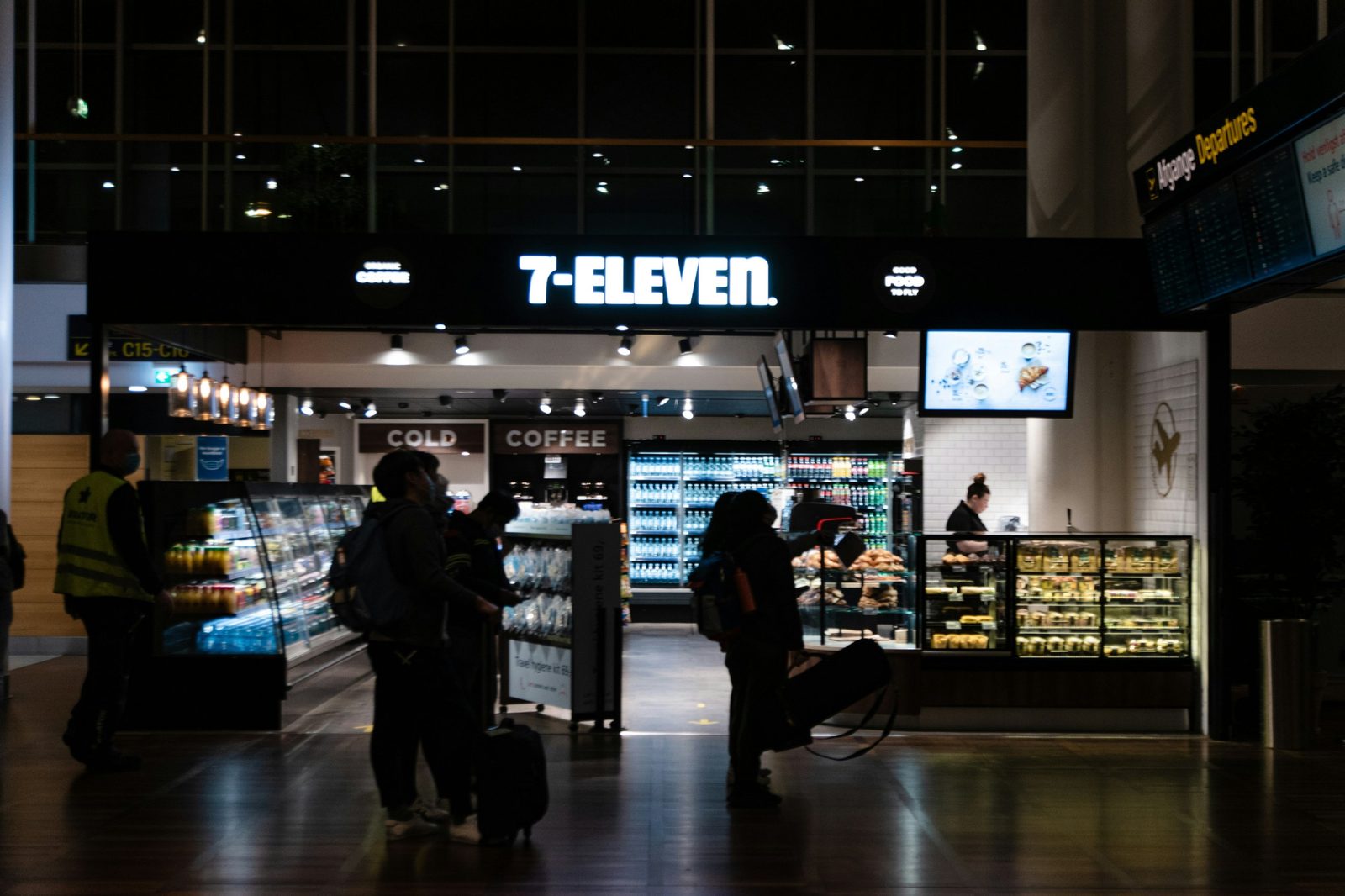
Can I bring food from the airport onto the plane? Yes. Anything you buy after security, including drinks of any size, can come on board with you.
The bottom line
Solid food goes through TSA with no limit. Anything you can spread, scoop, or pour has to be 3.4 ounces or less in your carry-on, or go in your checked bag. Keep ice packs frozen, declare baby food at the start of screening, and eat fresh fruit before you land from an international trip. Pack smart, and the money you'd have spent on a $15 airport sandwich stays in your pocket.
Planning what to eat on your next flight? See our airline food guide for which flights still serve free meals, and how long a flight has to be before you get one.